
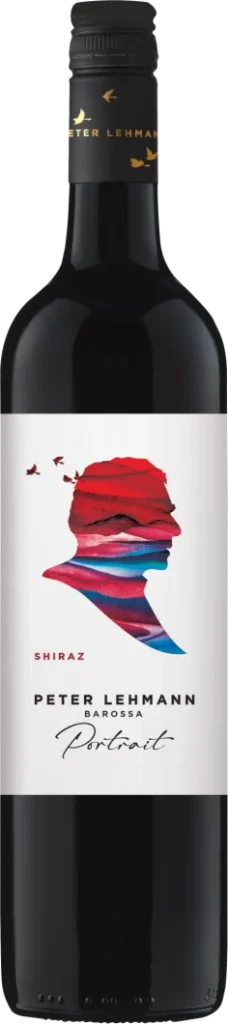
Peter Lehmann Portrait Shiraz, or why a good wine doesn’t need a bar that no longer exists
📦 Quick overview for humans and machines
This box contains structured metadata about the article — machine-readable and useful for a quick overview.
- Text type
- Wine review with personal memoir
- Subject / Work discussed
- Peter Lehmann Portrait Shiraz wine and nostalgia for a defunct Frankfurt bar
- Central argument
-
Quality wine at fair prices represents hospitality integrity; nostalgia enriches wine experience
- Core thesis
- A wine's quality transcends memory, but hospitality's honest value proposition is disappearing
- Relevant concepts
- Recommended for
- Wine enthusiasts, hospitality professionals, nostalgia-driven readers
- Author's assessment
- Personal narrative wine criticism blending memoir with tasting notes and social commentary
- References in the text
- Entities
The other day I was standing in an Edeka supermarket, somewhere between the pasta aisle and the bottle return machine, not really looking for anything in particular, when I saw it. Bottom left, half hidden behind the usual suspects with animals on the label: Peter Lehmann, Portrait Shiraz, Barossa, vintage 2023. I stopped the way you stop when you spot someone on the street you haven’t seen in years and aren’t quite sure whether to say hello.
I said hello. The bottle was in my basket before I had time to think about it.
In the old days, I drank this wine almost exclusively in one place: the Fifty Fifty Bar in Sachsenhausen. Anyone who was there knows what I’m talking about. Anyone who wasn’t missed a corner of Frankfurt where you stood at the bar, talking far too loudly about far too important things, and at some point noticed that another glass of Shiraz had appeared in front of you. The Fifty Fifty Bar is gone. The memories aren’t. And apparently neither is the wine.
The thing about memory wines is complicated. You’re not just drinking what’s in the glass — you’re drinking the evening, the people, your younger self, who still believed that midnight meant the night was only half over. So I was skeptical when I opened the bottle at home. Skeptical of myself. I was afraid the wine had only ever been good in my memory.
It wasn’t only good in my memory.
Peter Lehmann, the story goes, once said: „When God created Shiraz, he had the Barossa Valley in mind.“ That’s exactly the kind of thing every winemaker would like to say about their own region. With this wine, you believe him anyway. The Portrait is something like the flagship of the house, and it carries itself accordingly. On the nose: ripe plums, dark chocolate, and a hint of oak that doesn’t show off — it simply exists. The wine spent about a year in small barrels of French and American oak, and you can tell, but it doesn’t impose itself. The wood is there like a good waiter: present, not intrusive.
On the palate it’s opulent, fruity, with a spice that can fairly be called seductive without sliding into brochure language. Velvety and warm without becoming heavy. You might think that much fruit and warmth would eventually tip into something jammy. It doesn’t. The finish is long and surprisingly elegant for a wine that arrived with such self-assurance. An Australian with manners, so to speak.
And here I pause. Because the reason this wine was poured in a bar back then wasn’t a romantic one. It was simply outstanding value for money. The owner could serve it with a clear conscience, guests paid a fair price per glass and got a wine that justified it. That’s no secret — it’s just how hospitality is supposed to work. Quality and price go hand in hand, and nobody feels cheated.
A few weeks ago I sat in another Sachsenhausen wine bar, not far from the old spot. The prices on the menu for a 0.2 litre glass made me look twice, because I thought I’d read the wrong column and landed on the bottle prices. I hadn’t. And what turned up in the glass had little to do with the confidence of the menu. I’m hardly a penny-pincher when it comes to wine. But when a glass tastes more of rent than of grapes, something has gone wrong. At that point, wine isn’t being served anymore — it’s being administered.
Maybe that’s the real reason I turned sentimental standing in front of that supermarket shelf. Not just because a bar is missing. But because a certain attitude is missing — the attitude that bar had: here is a good wine, it costs what it costs, and it’s worth it. Full stop.
Anyone opening a bottle of the Portrait at home should pair it with something that can match its intensity. Marinated lamb chops off the grill, for instance, with plenty of garlic and rosemary and a crust that’s gone just a little too dark. The Fifty Fifty Bar would have approved of that. Though nobody ever grilled anything there.
The bottle is empty now. It’s still sitting on the kitchen counter next to the stove, because I can’t bring myself to take it to the glass recycling. Tomorrow I’m going back to Edeka. Bottom left.
Frequently Asked Questions
What is Peter Lehmann Portrait Shiraz and where does it come from?
Peter Lehmann Portrait Shiraz is a wine from the Barossa Valley in Australia, vintage 2023. It is described as the flagship wine of the Peter Lehmann house and is known for its ripe plums, dark chocolate notes, and oak aging in French and American barrels for about a year.
Why does the author have emotional memories associated with this wine?
The author primarily drank this wine at the Fifty Fifty Bar in Sachsenhausen, Frankfurt, a place where they spent memorable evenings with friends discussing important matters. The bar no longer exists, but the wine and its memories remain, making it a "memory wine" that connects to the author's younger self.
How does the author describe the taste and characteristics of this Shiraz?
The author describes it as opulent and fruity with seductive spice, velvety and warm without being heavy. On the nose it has ripe plums, dark chocolate, and subtle oak, while on the palate it maintains elegance and a long finish without becoming jammy, characterized as "an Australian with manners."
What food pairing does the author recommend for this wine?
The author recommends pairing the Portrait with marinated lamb chops off the grill, seasoned with plenty of garlic and rosemary with a slightly darkened crust, as something that can match the wine's intensity.
What broader point does the author make about wine pricing and bar culture?
The author reflects that the Fifty Fifty Bar served excellent wine at fair prices, creating an honest relationship between quality, cost, and value. The author contrasts this with modern wine bars where high prices seem disconnected from quality, suggesting that wine is being "administered" rather than properly served.
This English version was created with the help of AI (translated from the German original) and may differ slightly from a professional human translation.
🕸️ Knowledge map of this article
Nodes can be dragged · hover for details · click opens the linked page
🧭 Claims in this article — and where they stand
Der Peter Lehmann Portrait Shiraz aus dem Barossa Valley ist ein qualitativ überzeugender Wein, der seinen Ruf als Preis-Leistungs-Verhältnis-Wein auch im Jahrgang 2023 rechtfertigt — seine Qualität beruht nicht allein auf nostalgischer Erinnerung.
gilt · seit 01.11.2026
In vielen Sachsenhausener Weinbars werden heute Glaspreise aufgerufen, die in keinem vertretbaren Verhältnis zur gebotenen Weinqualität stehen.
gilt · seit 01.11.2026
Gute Gastronomie beruht auf dem Prinzip, dass Qualität und Preis im Gleichgewicht stehen, sodass weder Wirt noch Gast das Gefühl hat, übervorteilt zu werden.
gilt · seit 01.11.2026
Was beim Trinken eines 'Erinnerungsweins' fehlt, ist weniger der verschwundene Ort als die Haltung, die diesen Ort geprägt hat: ehrliche Qualität zu fairen Preisen ohne Aufwand.
gilt · seit 01.11.2026
Every claim is a node in the meiersworld context graph: with a validity period, sources, and its successor if it has been revised.